What to Do After You've Been Ghosted
Ghosting is hard to recover from precisely because it leaves no explanation. Here is why it hurts so much and how to give yourself closure.
By QuizCupid Editorial TeamSeptember 7, 20264 min read
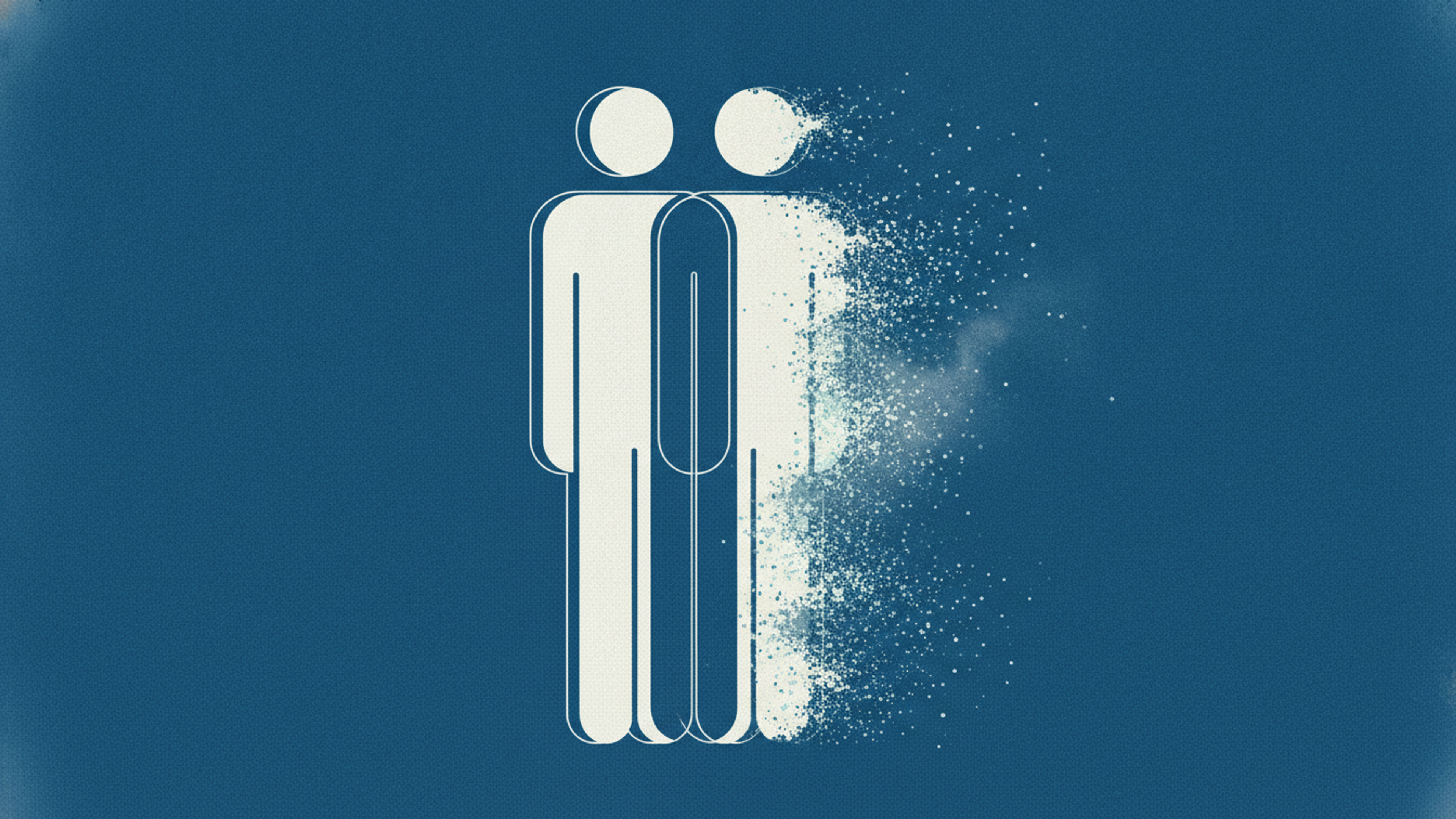
Someone you were talking to, maybe met a few times, disappears one day with no explanation: messages go unanswered, calls aren't returned, they're still active on social media but completely silent toward you. Ghosting, as this is called, is one of the most ambiguous ways to end a relationship, and it's precisely that ambiguity that often makes it hurt longer than a clear goodbye would. This article looks at why ghosting shakes people so much, and what you can do afterward.
The opposite of love is not hate, it's indifference.
What Is Ghosting, and Why Does It Hurt So Much?
Ghosting means one person suddenly cutting off all contact without any explanation. The term went mainstream around 2015 and was added to the Collins English Dictionary that same year, but the behavior isn't new, messaging apps just made it easier and more common. What makes ghosting especially destabilizing is less the event itself than the gap it leaves: you're left without knowing what happened, what you did wrong, or whether you did anything at all, and the mind usually fills that gap with the worst-case story.
Ambiguous Loss: Why Closure Never Arrives
Family therapist and researcher Pauline Boss, in her 1999 book Ambiguous Loss, describes how some losses are far harder to grieve because they have no clear ending: the person is physically gone, but there is no confirmation, no ritual, and no explanation of what happened. Ghosting falls squarely into this category. In a breakup, even a bad one, there's a closing sentence and a frame you can put events into. In ghosting there isn't, so the mind struggles to process the relationship as "over" and keeps circling back to "what if" for months.
The Mark Rejection Leaves in the Brain
A 2003 study by Naomi Eisenberger and colleagues, published in Science, showed that social exclusion activates the same brain regions as physical pain, particularly the anterior cingulate cortex. When participants were excluded from a simple ball-tossing game, their brain scans showed a response similar to a bodily injury. This explains why what you feel after being ghosted isn't "just in your head": being ignored is an experience the brain registers as pain. Knowing that this response is real and biological can help you stop telling yourself that being this upset is ridiculous.
Not Taking It Personally: Ghosting Is Usually About Them
The first reflex of someone who's been ghosted is usually the question "what's wrong with me?". Yet research shows ghosting is more about the person doing it, their tendency to avoid conflict, their communication skills, and their view of relationships. A 2019 study by Gili Freedman and colleagues (Journal of Social and Personal Relationships) found that people who believe less that relationships can be improved through effort, who think of them as "destiny or nothing," both find ghosting more acceptable and do it more often. In other words, someone ghosting you is usually about how they handle hard conversations, not about your worth.
Giving Yourself Closure
Closure is often imagined as an explanation coming from the other person, but in practice it rarely works that way, because the person who ghosted you is already the one avoiding conversation. Giving yourself closure means: putting the event into your own words ("this person chose to disappear rather than have a hard conversation, that's their limit"), deciding whether you want to send one last message (if you do, keeping it short and blame-free, with no expectation of a reply), and actually ending contact, removing the number and the follow if needed. The goal isn't to punish, it's to send your own mind a clear signal that "this chapter is closed."
The Next Step: Trusting Again
Ghosting's longest-lasting effect can be behaving cautiously in later dating, bracing for "is this one going to vanish too?". That response is protective, but overdone it also makes forming a new bond harder. What helps is not generalizing one person's behavior to a whole group, and paying attention early on to small signals of trust: consistency, replying to messages within a reasonable time, firming up plans. And remembering this: having recognized ghosting once means you'll spot a similar pattern far sooner next time, which makes you better equipped, not more vulnerable.
Frequently Asked Questions
Should I try to reach the person who ghosted me? Once, with a short and blame-free message, yes, if that's a closure step for you. But if no reply comes, accept that as an answer and don't write again and again, since that usually just prolongs the uncertainty.
What should I do if they message me weeks later as if nothing happened? This is called "zombieing." Before continuing, it's a reasonable boundary to ask why they disappeared and whether there's a concrete reason it would be different next time.
I've ghosted people too, am I a bad person? No, but avoiding conflict has a cost. Even a short "this isn't working for me, best of luck" gives the other person clear closure, and it's usually less hard than it seems.
Most of the pain ghosting creates comes less from the event itself than from the questions left unanswered. You may never get answers to most of them, but giving yourself closure turns the situation from something dependent on the other person's explanation into a step that's within your control.
More in Psychology
All posts 🧠 Psychology
Personal Space in a Relationship: The Need to Be Alone
Loving your partner and wanting time alone are not in conflict. Here is why personal space is a need, and how to talk about it without guilt.
 🧠 Psychology
What Is Love Bombing, and How Do You Recognize It?
Overwhelming attention in a relationship's early weeks is sometimes real connection, sometimes a manipulation pattern called love bombing.
 🧠 Psychology
Love or Obsession? What the Film 'Obsession' Really Shows
A cursed toy, one wish, and love curdles into obsession. We break down the real psychology behind the horror hit 'Obsession' and where passion turns unhealthy.
More Posts
- The Anxious-Avoidant Attachment Trap
- The Difference Between Healthy Jealousy and Harmful Jealousy
- How Depression Affects Relationships
- Love Language Lessons From Anime Characters
- How Social Media Changed Relationships
- Types of Love Quizzes: 4 Kinds and When Each Fits
- What Are Attachment Styles and How Do They Shape Love?
- What Is a Love Language, and How Do You Discover Yours?
Try a Test
All testsPlayful tests to help you discover yourself and your relationship.
- Relationship Fit TestQuestions on communication, trust, and shared time measure how in sync your relationship really is.
- Which Love Character Are You?Playful questions about how you act when you're in love reveal the love character that fits you best.
- Love TestAnswer a few short questions about your everyday choices, find your love score, and share it with friends.