What Are Attachment Styles and How Do They Shape Love?
Some trust easily, some fear abandonment, some pull away when things get close. What attachment styles are and how they shape the way you love as an adult.
By QuizCupid Editorial TeamAugust 15, 20263 min read
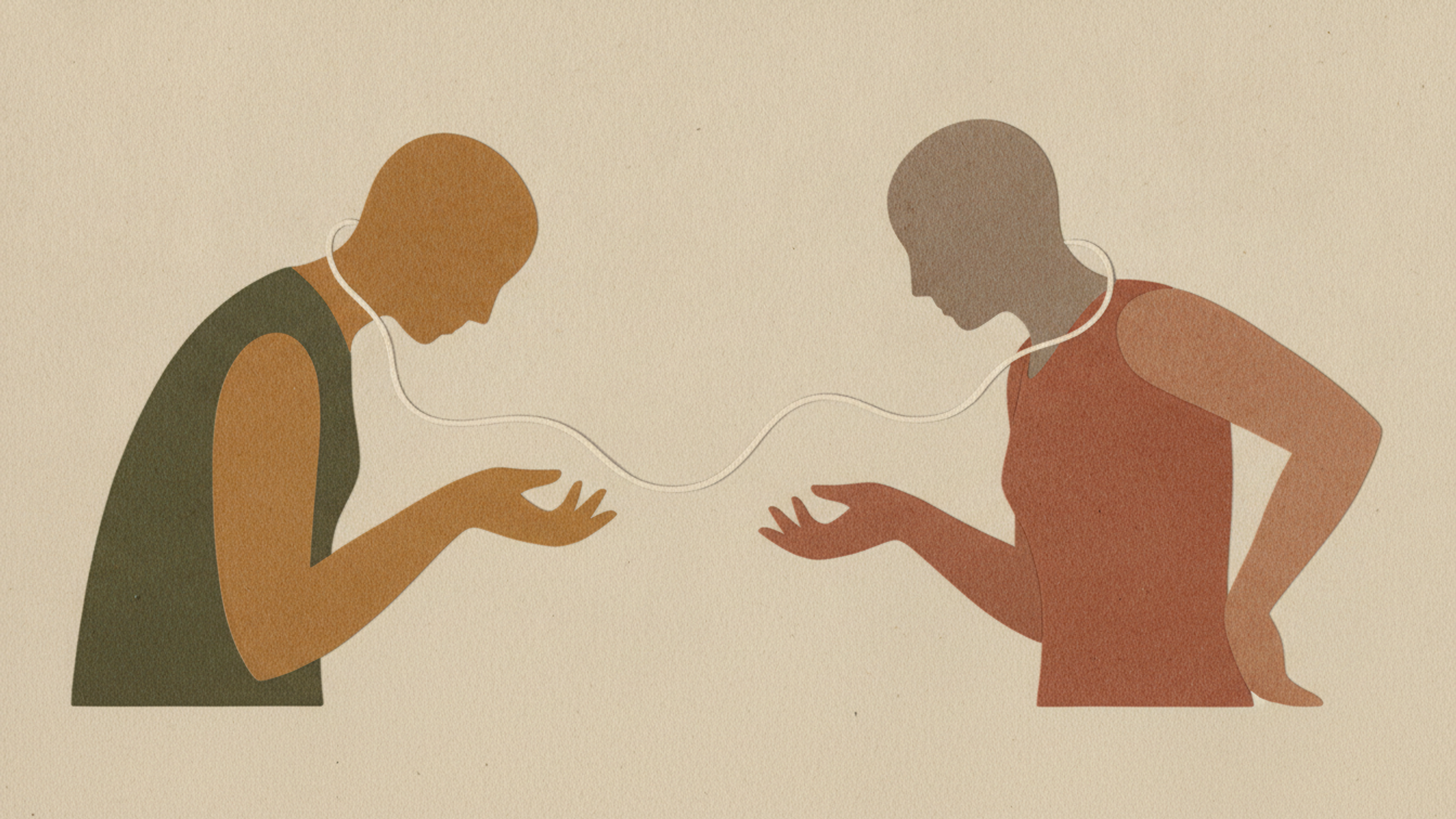
Some people trust easily in a relationship, some constantly fear abandonment, and others pull away the moment things get close. This usually isn't about character, it's about what psychology calls an "attachment style", a pattern shaped in childhood. Recognizing your own attachment style is the first step to understanding the patterns that keep repeating in your relationships.
Love is composed of a single soul inhabiting two bodies.
Secure Attachment
Securely attached people are comfortable with both closeness and independence. They trust their partner, ask for support when they need it, and feel at peace when they're on their own. During conflict, they look for a resolution through conversation instead of getting defensive.

Anxious Attachment
Anxiously attached people carry a deep fear of abandonment. A delayed text can spiral into worst-case scenarios, they constantly seek reassurance, and they sometimes unintentionally create tension just to test the closeness. This often comes from growing up with inconsistent attention rather than a lack of love.
Avoidant Attachment
Avoidantly attached people feel uneasy as closeness increases and protect themselves by keeping distance. They struggle to share their feelings, place heavy value on independence, and a partner's needs can sometimes feel suffocating. This usually develops in environments where emotional needs weren't given much attention in childhood.
Disorganized Attachment
People with this style want closeness and panic once they get it. They might want to hold their partner close one day and push for distance the next. These ups and downs can be exhausting for both partners, but it's a pattern that can shift once it's recognized and worked on.
Where Attachment Styles Come From
Attachment styles aren't something you choose, they form in early childhood, shaped by how consistently a caregiver responded to your needs. A child who was reliably comforted tends to grow into a securely attached adult; a child whose caregiver was unpredictable, sometimes warm, sometimes distant, often develops the hypervigilance that shows up later as anxious attachment. This doesn't mean your attachment style is a life sentence. Psychologists describe someone who has done the work to move from an insecure pattern into a secure one as "earned secure" attachment, proof that the pattern you started with isn't the one you're stuck with.
How Attachment Styles Show Up in Everyday Arguments
The same small disagreement, a delayed reply, a canceled plan, plays out very differently depending on attachment style. Someone anxious might read silence as rejection and start seeking reassurance immediately. Someone avoidant might read the exact same silence as a chance to retreat further. Neither reaction is really about the disagreement itself, it's the attachment pattern doing what it's used to doing. Naming that out loud ("I think I'm reacting from my anxious side right now") can defuse an argument before it grows.
Your Attachment Style Isn't Fixed
The good news is that attachment style isn't a fixed identity, it's a learned habit, and it can change once you notice it. A stable relationship with a securely attached partner can soften anxious or avoidant patterns over time. Recognizing your own pattern is the first step toward understanding why you react the way you do, and being able to talk about it with your partner.
Frequently Asked Questions
Can two anxiously attached (or two avoidantly attached) people be happy together? It's harder, since both partners can trigger each other's same pattern, but it's not impossible with awareness and, often, outside support like couples counseling.
Is attachment style the same as personality? No, personality is broader and more stable; attachment style is specifically about how you relate to closeness and separation in close relationships, and it can shift with different relationships and life stages.
How long does it take to shift an attachment pattern? There's no fixed timeline, but consistent awareness and a stable relationship both speed it up considerably compared to leaving the pattern unexamined.
More in Psychology
All posts 🧠 Psychology
What to Do After You've Been Ghosted
Ghosting is hard to recover from precisely because it leaves no explanation. Here is why it hurts so much and how to give yourself closure.
 🧠 Psychology
Personal Space in a Relationship: The Need to Be Alone
Loving your partner and wanting time alone are not in conflict. Here is why personal space is a need, and how to talk about it without guilt.
 🧠 Psychology
What Is Love Bombing, and How Do You Recognize It?
Overwhelming attention in a relationship's early weeks is sometimes real connection, sometimes a manipulation pattern called love bombing.
More Posts
- Love or Obsession? What the Film 'Obsession' Really Shows
- The Anxious-Avoidant Attachment Trap
- The Difference Between Healthy Jealousy and Harmful Jealousy
- How Depression Affects Relationships
- Love Language Lessons From Anime Characters
- How Social Media Changed Relationships
- Types of Love Quizzes: 4 Kinds and When Each Fits
- What Is a Love Language, and How Do You Discover Yours?
Try a Test
All testsPlayful tests to help you discover yourself and your relationship.
- Relationship Fit TestQuestions on communication, trust, and shared time measure how in sync your relationship really is.
- Which Love Character Are You?Playful questions about how you act when you're in love reveal the love character that fits you best.
- Love TestAnswer a few short questions about your everyday choices, find your love score, and share it with friends.