What Is a Love Language, and How Do You Discover Yours?
We all give and receive love differently. What Gary Chapman's five love languages are, and a simple way to discover which one is yours.
By QuizCupid Editorial TeamAugust 14, 20264 min read
Contents7
- 01What Are the Five Love Languages?
- 02Where the Five Love Languages Idea Comes From
- 03How Do You Find Your Own Love Language?
- 04Why Does Knowing Your Partner's Language Matter So Much?
- 05What Should You Do Once You Know Your Love Language?
- 06Can Your Love Language Change Over Time?
- 07Frequently Asked Questions
"I tell them I love them every day, but it's like they don't hear it" or "They keep bringing home gifts, but what I actually want is time together" might sound familiar. If so, you and your partner are probably speaking different love languages. According to the concept popularized by author Gary Chapman, people have different priorities in both giving and receiving love. Even two people who live together and genuinely love each other can end up feeling unloved because of this mismatch.
The supreme happiness of life is the conviction that we are loved.
What Are the Five Love Languages?
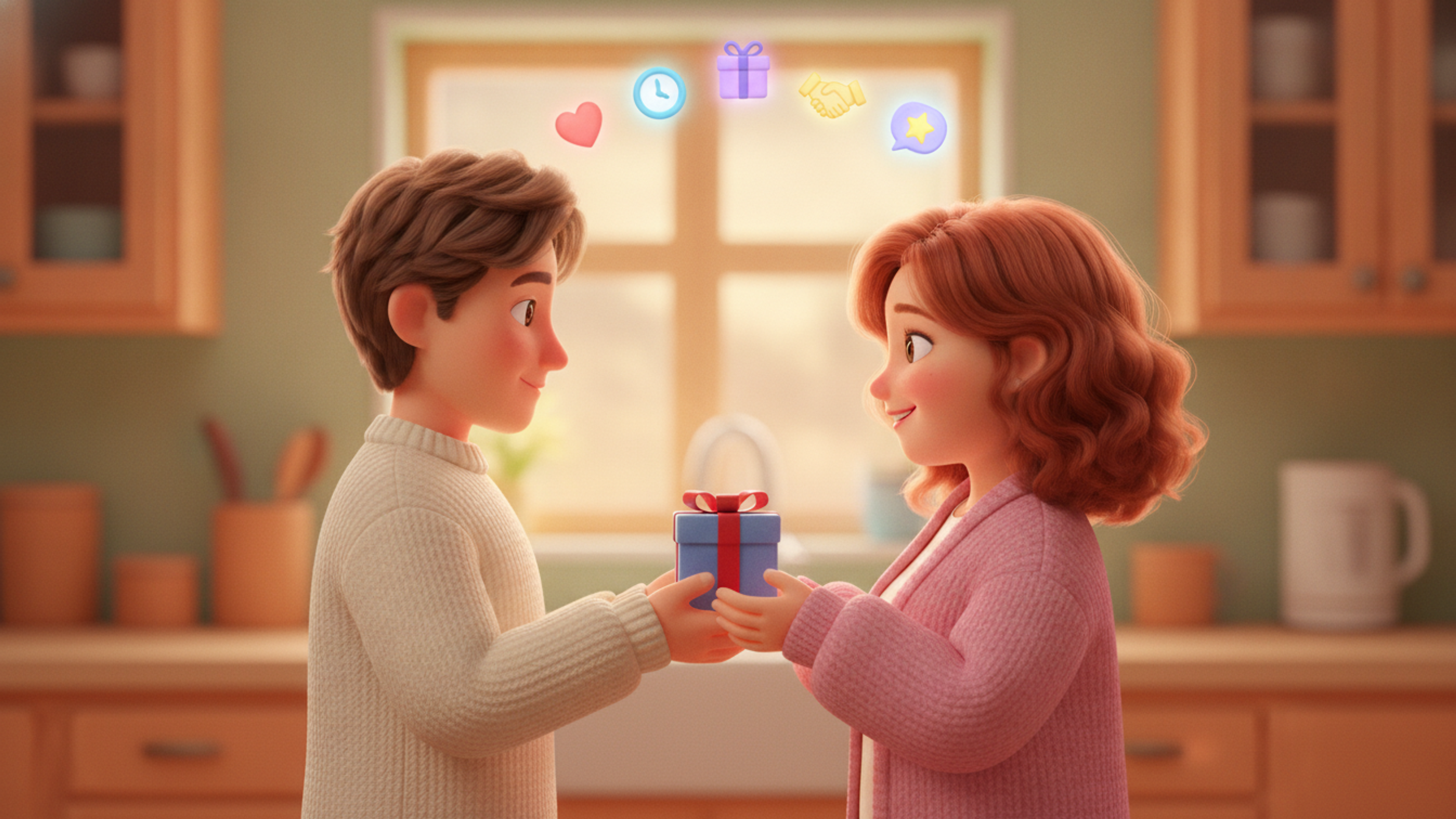
The theory describes five core ways love gets expressed. Words of affirmation are verbal expressions like "I love you" or "I'm proud of you." Quality time means undivided attention, with phones away and nothing competing for your focus. Acts of service are small but thoughtful gestures, like doing the dishes or filling up the car. Receiving gifts doesn't have to mean anything expensive, what matters is that it was chosen with care. Physical touch covers things like hugging, holding hands, or leaning against each other on the couch. Most of us lean heavily toward one or two of these over the rest.
Where the Five Love Languages Idea Comes From
The framework comes from a specific source: marriage counselor Gary Chapman's 1992 book The 5 Love Languages, based on years of notes from couples counseling sessions where he noticed the same pattern of miscommunication showing up again and again. It was never intended as a clinical psychological theory tested in controlled studies, it's a practical, observation-based framework, which is part of why it's held up so well as a communication tool even without heavy academic validation behind it.
How Do You Find Your Own Love Language?
Try asking yourself a few questions. What do you feel is missing most often from your partner? What do you complain about the most when it comes to them? And flip it around: how do you usually show your own love? Most people show love the way they'd like to receive it, without realizing that what actually matters is speaking their partner's language.
If you want a quick answer, our 5 Love Languages Test can point you in the right direction in just a few minutes.
Why Does Knowing Your Partner's Language Matter So Much?
When love languages don't line up, both people can be trying their best and still feel like it isn't enough. Someone who shows love through acts of service might spend their energy fixing things around the house, while a partner who actually needs quality time might not even notice, because what they're looking for is time spent together, not tasks completed. This mismatch rarely comes from a lack of caring. It usually comes from a lack of awareness, and a simple conversation is often enough to fix it.

What Should You Do Once You Know Your Love Language?
The first step is saying your needs out loud, since your partner can't read your mind. The second is trying to show love in their language, even if it doesn't feel natural to you. Someone who naturally gives gifts, for instance, might learn that their partner needs quality time, and start setting aside a phone-free evening once a week instead. Over time, this becomes second nature for both of you.
Can Your Love Language Change Over Time?
Yes, and it's more common than people expect. A new parent with almost no free time might suddenly value acts of service far more than they used to, simply because time and energy have become scarce. Big life changes, a new job, a move, a stressful year, can quietly shift what makes you feel loved. Checking in with each other every so often, not just once at the start of a relationship, keeps both of you speaking a language that's still accurate.
Frequently Asked Questions
Can a couple have completely different love languages and still work? Yes, most couples do. The goal was never to match languages, it's to learn each other's and actually use them.
Is it manipulative to ask for a specific love language? No, stating a need clearly is the opposite of manipulation, it's what makes it possible for your partner to actually meet it instead of guessing.
What if my partner refuses to try my love language? That's worth a direct conversation on its own, since willingness to try usually matters more than getting it perfect on the first attempt.
Love languages aren't a magic fix for everything, but they're a strong starting point for noticing the communication gaps in your relationship. Understanding your own language, and your partner's, often reveals that something you assumed was indifference was really just love expressed in a different way.
More in Psychology
All posts 🧠 Psychology
What to Do After You've Been Ghosted
Ghosting is hard to recover from precisely because it leaves no explanation. Here is why it hurts so much and how to give yourself closure.
 🧠 Psychology
Personal Space in a Relationship: The Need to Be Alone
Loving your partner and wanting time alone are not in conflict. Here is why personal space is a need, and how to talk about it without guilt.
 🧠 Psychology
What Is Love Bombing, and How Do You Recognize It?
Overwhelming attention in a relationship's early weeks is sometimes real connection, sometimes a manipulation pattern called love bombing.
More Posts
- Love or Obsession? What the Film 'Obsession' Really Shows
- The Anxious-Avoidant Attachment Trap
- The Difference Between Healthy Jealousy and Harmful Jealousy
- How Depression Affects Relationships
- Love Language Lessons From Anime Characters
- How Social Media Changed Relationships
- Types of Love Quizzes: 4 Kinds and When Each Fits
- What Are Attachment Styles and How Do They Shape Love?
Try a Test
All testsPlayful tests to help you discover yourself and your relationship.
- 5 Love LanguagesBased on Gary Chapman's 5 love languages, discover how you express love and what your partner truly needs.
- Which Love Character Are You?Playful questions about how you act when you're in love reveal the love character that fits you best.
- Love TestAnswer a few short questions about your everyday choices, find your love score, and share it with friends.