What Is Love Bombing, and How Do You Recognize It?
Overwhelming attention in a relationship's early weeks is sometimes real connection, sometimes a manipulation pattern called love bombing.
By QuizCupid Editorial TeamSeptember 5, 20265 min read
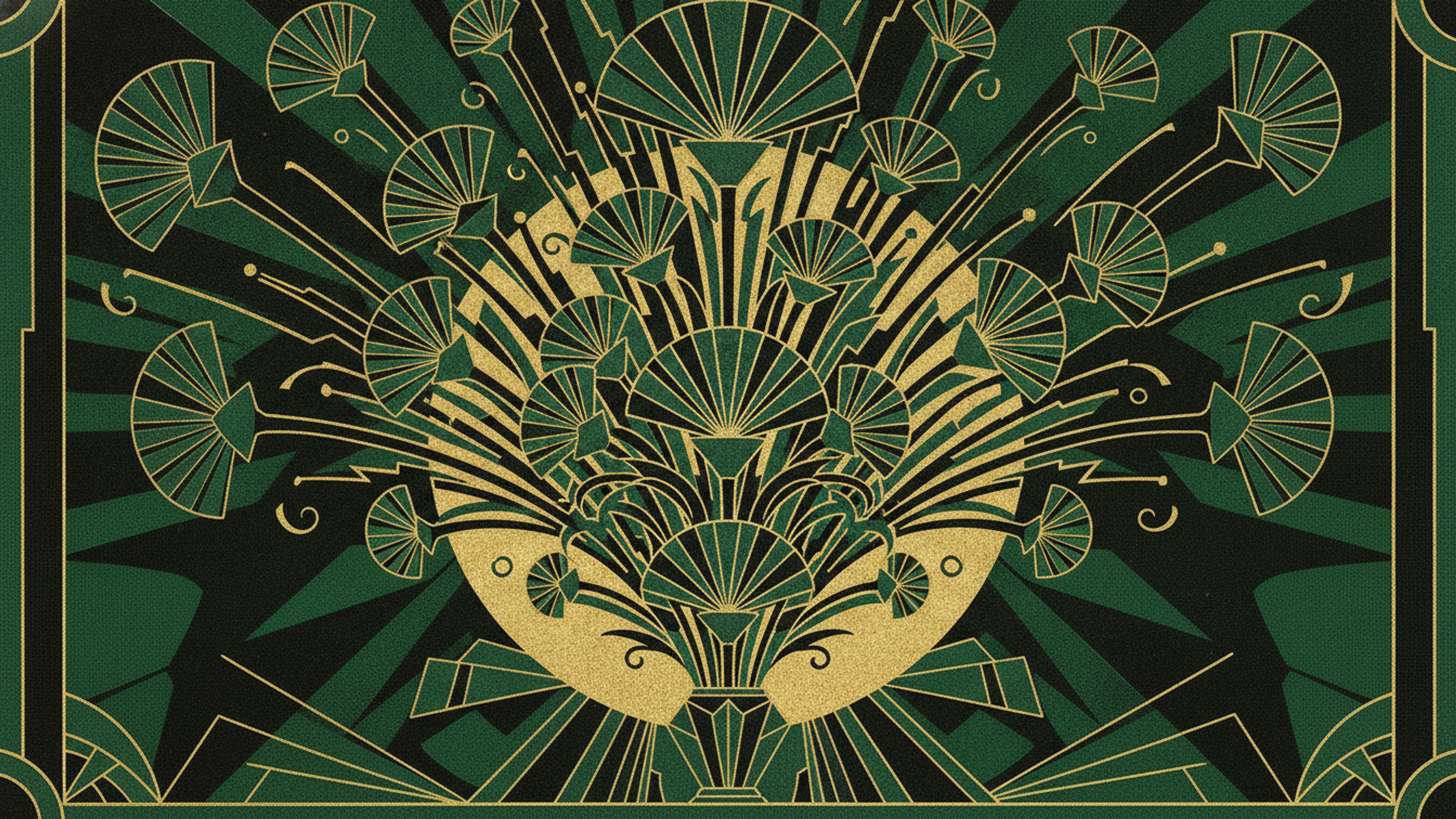
The rush of attention in a relationship's first weeks, constant texting, expensive gifts, and "I've never felt this way about anyone" can sometimes be a sign of genuine connection, and sometimes the opening move of a manipulation pattern called love bombing. From the outside the two look almost identical; the real difference shows up in where that intensity goes over time, and whether it's mutual or one-sided.
When someone shows you who they are, believe them the first time.
What Is Love Bombing, Exactly?
Love bombing describes an unusually intense burst of attention, praise, gifts, and promises about the future that shows up very early in a relationship: saying "I love you" within days, bringing up marriage or moving in together right after meeting, flooding someone's phone with constant messages. Intensity on its own isn't automatically a red flag, some people genuinely fall fast and love that way; what actually distinguishes it is whether that intensity respects the other person's pace and boundaries, and whether it settles into steady closeness over time or turns into a control dynamic.
The Term's Origin: From Cults to Relationships
The term "love bombing" was first used in the 1970s by researchers studying cults, to describe the tactic of overwhelming a new recruit with intense attention and acceptance. Clinical psychologist Margaret Singer, in her 1995 book *Cults in Our Midst*, describes the tactic as instantly placing a new member at the center of the "family" and drowning them in excessive love and praise to short-circuit critical thinking. The term migrated to romantic relationships over time because the same core mechanism, delaying scrutiny with fast, intense, seemingly unconditional love, works the same way between two people.
The Idealize-Devalue-Discard Cycle
Love bombing rarely shows up alone, it's usually the opening phase of a larger cycle: first idealization (the other person is presented as flawless, showered with excessive praise and attention), then devaluation (that same intensity turns into criticism, coldness, or blame), and eventually discard or withdrawal. Psychologist Craig Malkin, in his 2015 book *Rethinking Narcissism*, writes that this cycle is a common pattern in relationships involving people with narcissistic traits, and that the overwhelming early attention is often a way of establishing control before the other person has had time to notice.
The Difference Between Real Interest and Love Bombing
In a healthy relationship, closeness grows over time, mutually, with both people allowed to move at their own pace. In love bombing, intensity peaks right at the start and usually moves in one direction only, if the other person wants to slow down, they meet pressure or guilt instead ("you don't love me enough"). The clearest test between real interest and love bombing is what happens when someone says "let's slow down a bit", a genuine connection meets that with respect, love bombing usually meets it with blame, sulking, or a sudden chill.
Early Warning Signs
No single sign here is definitive proof on its own, but together they're worth paying attention to: unusually large gifts or spending right after meeting, jumping to big future talk like marriage or moving in together within the first weeks, gradually trying to pull someone away from friends and family ("it's just the two of us against the world"), reacting to the smallest criticism or boundary with an outsized, defensive, or dramatic response, and rushing to fill every gap in someone's life, being alone, seeing their own friends. What all of these share is that the intensity is shaped by the giver's need, not the other person's consent or pace.
What to Do If You Think You're Experiencing Love Bombing
The first step is usually to slow down, waiting a few days or weeks before accepting big decisions or promises instead of agreeing right away, and paying attention to how that waiting actually feels. The second step is getting an outside perspective, telling a trusted friend or family member what's going on, since patterns that are hard to notice from inside a relationship tend to look much clearer from the outside. Protecting your own boundaries, when you want to see someone, who else you keep spending time with, and watching how those boundaries are received, is also revealing. Once the pattern is clear and repeating, talking to a therapist or counselor makes the process safer, especially if a bond that makes leaving harder has already formed.
Frequently Asked Questions
Does intense attention always mean love bombing? No. Some people genuinely fall fast and hard, what actually matters is whether that intensity respects the other person's boundaries and stays consistent over time.
Is love bombing always a conscious manipulation? Not always, some people repeat this pattern unconsciously from their own attachment style or past relationships, but the effect on the other person is the same either way, watching your boundaries matters regardless of intent.
Does love bombing make it harder to trust someone again afterward? In the short term, yes, but recognizing the experience and learning the early signs tends to make it much easier to spot a similar pattern far sooner next time.
What separates love bombing from real, healthy passion isn't the intensity itself, it's how much room that intensity leaves for the other person's pace, boundaries, and consent. Knowing the early warning signs isn't about suppressing genuine connection, it's about being able to see, early on, whose needs the pace of a relationship is actually serving.
More in Psychology
All posts 🧠 Psychology
What to Do After You've Been Ghosted
Ghosting is hard to recover from precisely because it leaves no explanation. Here is why it hurts so much and how to give yourself closure.
 🧠 Psychology
Personal Space in a Relationship: The Need to Be Alone
Loving your partner and wanting time alone are not in conflict. Here is why personal space is a need, and how to talk about it without guilt.
 🧠 Psychology
Love or Obsession? What the Film 'Obsession' Really Shows
A cursed toy, one wish, and love curdles into obsession. We break down the real psychology behind the horror hit 'Obsession' and where passion turns unhealthy.
More Posts
- The Anxious-Avoidant Attachment Trap
- The Difference Between Healthy Jealousy and Harmful Jealousy
- How Depression Affects Relationships
- Love Language Lessons From Anime Characters
- How Social Media Changed Relationships
- Types of Love Quizzes: 4 Kinds and When Each Fits
- What Are Attachment Styles and How Do They Shape Love?
- What Is a Love Language, and How Do You Discover Yours?
Try a Test
All testsPlayful tests to help you discover yourself and your relationship.
- Which Love Character Are You?Playful questions about how you act when you're in love reveal the love character that fits you best.
- Relationship Fit TestQuestions on communication, trust, and shared time measure how in sync your relationship really is.
- Love TestAnswer a few short questions about your everyday choices, find your love score, and share it with friends.