Personal Space in a Relationship: The Need to Be Alone
Loving your partner and wanting time alone are not in conflict. Here is why personal space is a need, and how to talk about it without guilt.
By QuizCupid Editorial TeamSeptember 6, 20264 min read
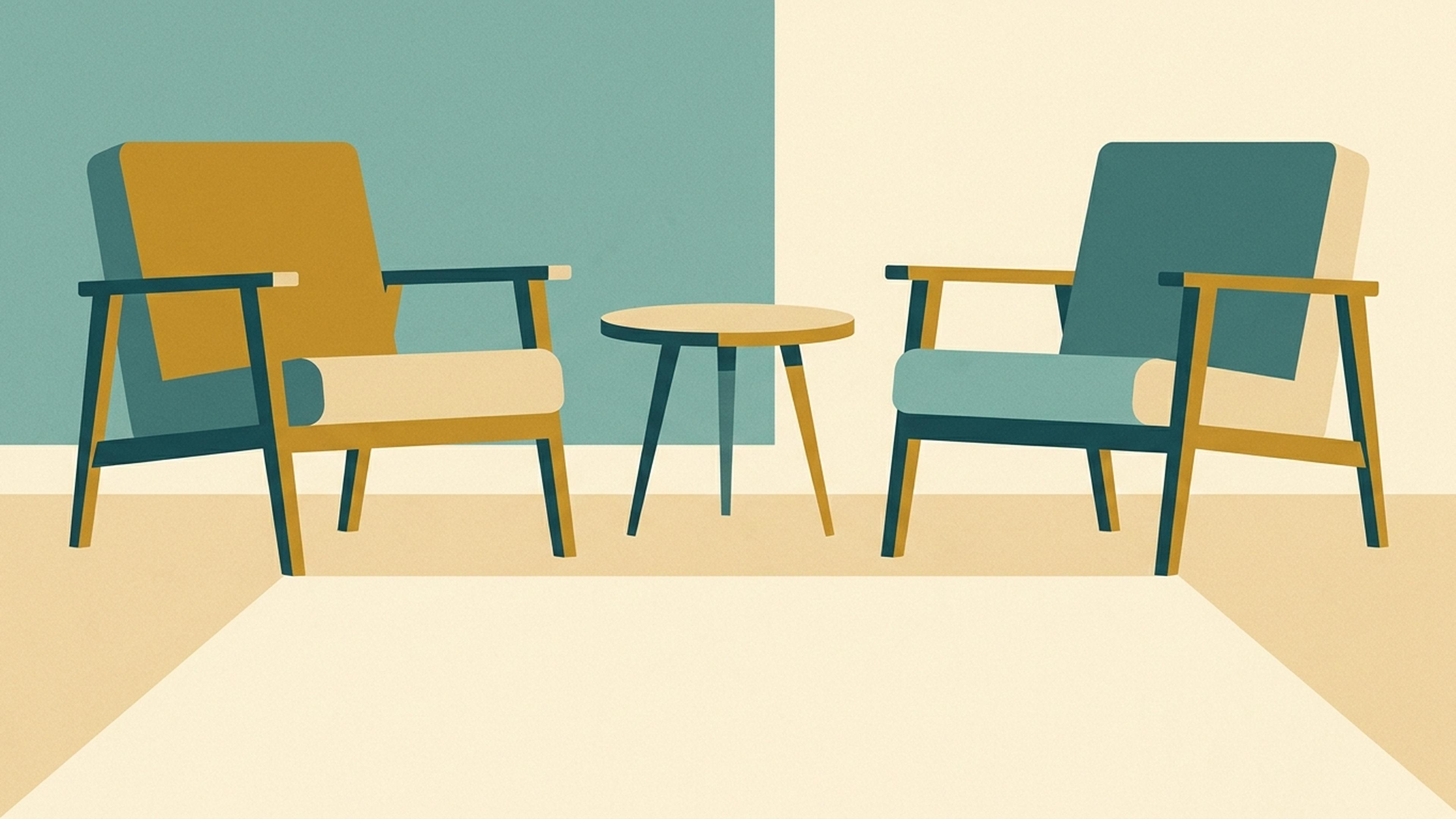
Loving your partner deeply and wanting time on your own from time to time are not in conflict. Yet in a relationship the sentence "I need some space" is often misread, as if it were a warning sign of indifference or of someone pulling away. In reality, personal space and the need to be alone are not where a healthy bond weakens; they are often exactly where it stays alive. This article looks at what personal space is, why it is a need, and how to talk about it without creating guilt.
Him that I love, I wish to be free even from me.
What Does Personal Space Actually Mean?
Personal space can be as concrete as a separate room or an hour spent alone, but it can also be a mental and emotional boundary: being able to sit with your own thoughts, not feeling obliged to share every feeling the moment it appears, keeping your own friendships and interests. The amount everyone needs is different, and that difference is usually about personality, not about the quality of the relationship. An introverted person tends to need more solo time to recover during the day, while an extroverted person may want less; both are normal.
Why Is the Need to Be Alone Healthy?
Loneliness and choosing to be alone are not the same thing. A 2018 study by psychologist Thuy-vy Nguyen and colleagues found that short, voluntary solitude produces a "deactivation effect": it turns down both high-arousal negative emotions (anxiety, anger) and high-arousal positive ones (excitement), bringing a person to a steadier baseline. In other words, time regularly set aside for yourself lets you return to the relationship as someone restored, rather than someone tired and depleted.
The Balance of Togetherness and Separateness: Differentiation of Self
The concept of "differentiation of self," developed by family systems theorist Murray Bowen, describes how healthy relationships hold two forces at once: the wish to be close and the wish to remain a separate individual. These two are not rivals but poles that feed each other. Someone who can hold on to their own identity, opinions, and inner world can enter a relationship without disappearing into it; the idea that everything must be shared and every moment spent together tends, over time, to wear both people down.
Asking for Space Is Not Rejection
The person who hears "I want to be alone tonight" often takes it personally: "Did I do something, are they bored of me?" But a request for space is usually not about the relationship; it is about the person's inner state in that moment. The most practical way to tell the difference is to look at how the request is expressed: a warm, explanatory request with a time frame ("let's see each other tomorrow evening") is very different from a cold, punishing withdrawal. The first protects the bond; the second damages it.
How to Talk About Personal Space
The approach that works best is to frame the need as how you function, not as a shortcoming in your partner: not "you are not enough," but "I am a better partner when I have one evening a week on my own." Talking about the need in advance also creates far less worry than a sudden withdrawal. Being concrete helps: how long, how often, whether you are reachable during that time. Reciprocity matters too; asking your partner the same question turns this into a shared arrangement rather than an escape.
What to Do When Your Partner Wants Space
The first step is not to personalize the request and not to launch into "fine, but why." Giving space is not a passive thing; it is an active gesture of trust. Filling your own time in the meantime, seeing your own friends, or returning to something you had put off both makes the wait easier and reminds you that the relationship is built on two lives, each with its own shape. If the requests for space keep growing and turn into an escape from every conversation, that is a separate matter and deserves to be discussed directly, without blame.
Frequently Asked Questions
How much personal space is "normal"? There is no single number. The measure is not the amount but whether both of you are content with the arrangement and whether the space feeds the bond.
If my partner wants a lot of space, does that mean the relationship is over? Not necessarily. The difference may be a mismatch in needs, and that can be talked through. The real signal is how the space is used: to come back to yourself, or to detach from the relationship entirely.
Is personal space needed in a long-distance relationship too? Yes, and it may need to be set up even more deliberately; the pressure to be constantly online creates a real fatigue, different from physical closeness but just as real.
Personal space is not where interest or love decreases. It is often the opposite: the place where two people can stay separate enough to come back to each other, so that the return still means something. A healthy relationship holds up because two whole people renew their choice every day, not because one dissolves into the other.
More in Psychology
All posts 🧠 Psychology
What to Do After You've Been Ghosted
Ghosting is hard to recover from precisely because it leaves no explanation. Here is why it hurts so much and how to give yourself closure.
 🧠 Psychology
What Is Love Bombing, and How Do You Recognize It?
Overwhelming attention in a relationship's early weeks is sometimes real connection, sometimes a manipulation pattern called love bombing.
 🧠 Psychology
Love or Obsession? What the Film 'Obsession' Really Shows
A cursed toy, one wish, and love curdles into obsession. We break down the real psychology behind the horror hit 'Obsession' and where passion turns unhealthy.
More Posts
- The Anxious-Avoidant Attachment Trap
- The Difference Between Healthy Jealousy and Harmful Jealousy
- How Depression Affects Relationships
- Love Language Lessons From Anime Characters
- How Social Media Changed Relationships
- Types of Love Quizzes: 4 Kinds and When Each Fits
- What Are Attachment Styles and How Do They Shape Love?
- What Is a Love Language, and How Do You Discover Yours?
Try a Test
All testsPlayful tests to help you discover yourself and your relationship.
- 5 Love LanguagesBased on Gary Chapman's 5 love languages, discover how you express love and what your partner truly needs.
- Relationship Fit TestQuestions on communication, trust, and shared time measure how in sync your relationship really is.
- Love TestAnswer a few short questions about your everyday choices, find your love score, and share it with friends.