How Depression Affects Relationships
Depression affects not only the person who has it but those around them. How it shapes a relationship, how to support a partner, and how to protect yourself.
By QuizCupid Editorial TeamAugust 29, 20264 min read
 Photo by Nik Shuliahin 💛💙 on Unsplash
Contents7
- 01What Is Depression, and How Is It Different From Ordinary Sadness?
- 02How Depression Affects a Relationship
- 03Why Can't Someone With Depression 'Just Think Positive'?
- 04How to Support a Partner Who Is Depressed
- 05Protect Your Own Limits Too
- 06When Is Professional Help Essential?
- 07Frequently Asked Questions
Depression affects not only the person living with it but also the people closest to them. When one partner is depressed, the communication, closeness, and everyday balance in a relationship can be shaken. This article looks at how depression affects a relationship, how you can support your partner, and how to protect yourself along the way.
The opposite of depression is not happiness but vitality.
What Is Depression, and How Is It Different From Ordinary Sadness?
Sadness is a natural and usually temporary response to an event. Depression is a health condition that lasts at least two weeks and affects a person's mood, energy, sleep, appetite, and ability to function day to day. Someone who is depressed loses interest in things they used to enjoy, feels worthless or guilty, and finds even simple tasks exhausting. This is not laziness or a lack of willpower.
How Depression Affects a Relationship
Depression often leads to withdrawal. A partner may pull away from conversation, from making plans together, or from physical closeness. That withdrawal can leave the other person feeling 'they don't love me anymore,' even though the reason usually has nothing to do with the relationship. Irritability, a short temper, and constant fatigue are common too. Over time, the partner trying to help may also feel helpless, lonely, or burned out.
Why Can't Someone With Depression 'Just Think Positive'?
The cognitive theory that psychiatrist Aaron Beck developed in the 1960s describes how depression traps a person in a negative view on three fronts: of themselves, of the world, and of the future. Beck called this the 'cognitive triad.' This is why 'don't think that way' doesn't work; the person isn't making a choice, their mind is systematically filtering events toward the negative. The loss of pleasure in things that used to feel good also has a clinical name: anhedonia. It isn't indifference or ingratitude, it's one of the core symptoms of depression.
How to Support a Partner Who Is Depressed
The most helpful thing is to listen without trying to fix it. Phrases like 'don't think that way' or 'you have nothing to feel bad about' are well meant but usually leave the person feeling unheard. Saying 'I'm here' and 'we'll get through this together' works better. Small routines help too: a short walk, a meal eaten together, regular sleep. Gently encourage professional help, but don't push; you can offer to set up the first appointment together.

Protect Your Own Limits Too
You do not have to be your partner's therapist, and you cannot be. While you do what you can for their wellbeing, don't neglect your own needs, friendships, and rest. The person who keeps giving support needs support too. If you need to, talk to a professional or someone you trust.
When Is Professional Help Essential?
If symptoms last longer than two weeks and clearly affect work, school, or the relationship, it is time to see a mental health professional. If there are thoughts of self-harm or of ending one's life, this is an emergency; contact a professional or the nearest emergency service without delay. Depression is a treatable condition, and recovery is possible with the right support.
Frequently Asked Questions
Does depression end a relationship? It can strain one, but it does not end it on its own. Open communication, patience, and professional support help most couples get through this period together.
How do I tell my partner I think they're depressed? Use non-blaming language and share what you've noticed: 'I've noticed you've been feeling low lately, and I'm worried about you.' The goal isn't to diagnose, it's to open the door to a conversation.
I'm unhappy too. Does that mean I'm depressed? Not necessarily. But if your unhappiness lasts for weeks and affects your life, talking to a professional is the right move.
Depression can be a hard period that tests a relationship, but it is also a period that shows how well you can hold on to each other. Trying to understand one another makes it easier to stand side by side on difficult days. This article is for general information and does not replace professional medical or psychological advice.
More in Psychology
All posts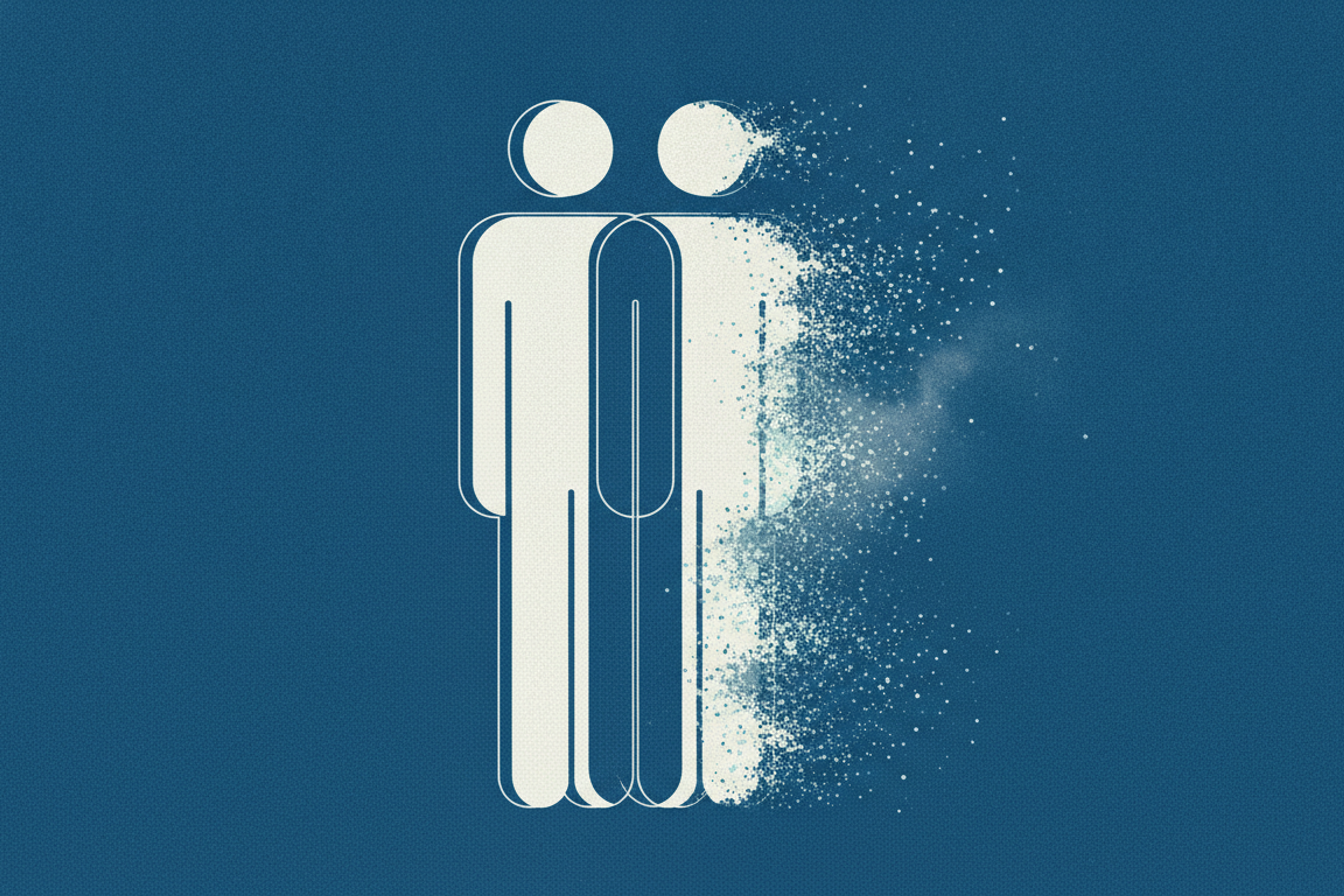 🧠 Psychology
What to Do After You've Been Ghosted
Ghosting is hard to recover from precisely because it leaves no explanation. Here is why it hurts so much and how to give yourself closure.
 🧠 Psychology
Personal Space in a Relationship: The Need to Be Alone
Loving your partner and wanting time alone are not in conflict. Here is why personal space is a need, and how to talk about it without guilt.
 🧠 Psychology
What Is Love Bombing, and How Do You Recognize It?
Overwhelming attention in a relationship's early weeks is sometimes real connection, sometimes a manipulation pattern called love bombing.
More Posts
- Love or Obsession? What the Film 'Obsession' Really Shows
- The Anxious-Avoidant Attachment Trap
- The Difference Between Healthy Jealousy and Harmful Jealousy
- Love Language Lessons From Anime Characters
- How Social Media Changed Relationships
- Types of Love Quizzes: 4 Kinds and When Each Fits
- What Are Attachment Styles and How Do They Shape Love?
- What Is a Love Language, and How Do You Discover Yours?
Try a Test
All testsPlayful tests to help you discover yourself and your relationship.
- Relationship Fit TestQuestions on communication, trust, and shared time measure how in sync your relationship really is.
- Which Love Character Are You?Playful questions about how you act when you're in love reveal the love character that fits you best.
- Love TestAnswer a few short questions about your everyday choices, find your love score, and share it with friends.