How to Apologize Effectively (and Actually Repair It)
Most "I'm sorry"s aren't real apologies, just a quick way to end an argument. Here's what an apology that actually works looks like.
By QuizCupid Editorial TeamSeptember 5, 20264 min read
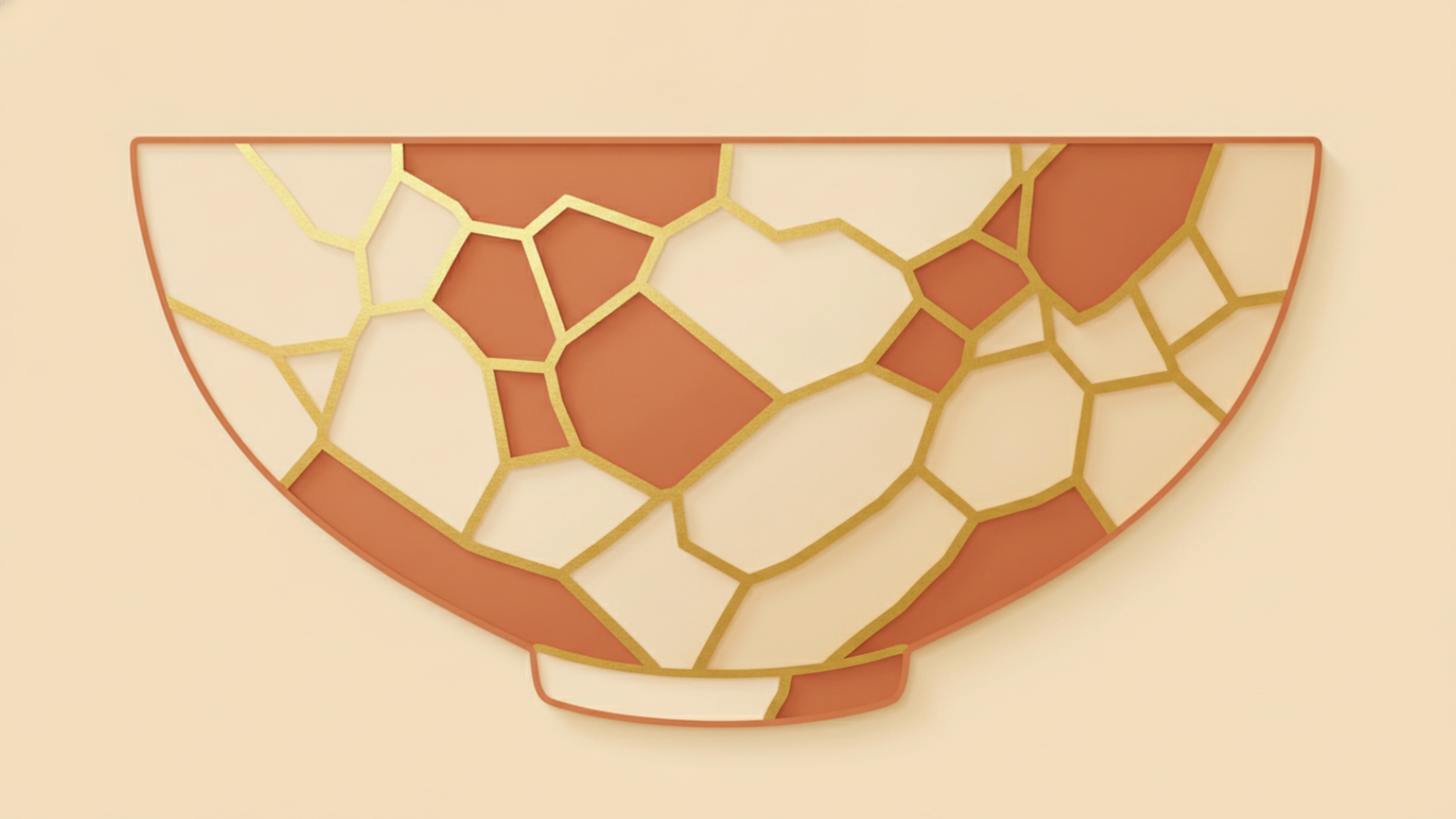
Saying "I'm sorry" after a fight usually changes nothing, because most apologies aren't really apologies at all, they're a quick way to end an argument, shut the other person up, or shake off guilt. An effective apology does something different: it genuinely acknowledges what happened and takes a real step toward repair. The difference isn't just in the words used, it's in the intent behind them and the behavior that follows.
A stiff apology is a second insult... The injured party does not want to be compensated because he has been wronged; he wants to be healed because he has been hurt.
Why Most Apologies Don't Work
Clinical psychologist Harriet Lerner, in her 2017 book *Why Won't You Apologize?*, argues that most so-called apologies are actually "non-apologies": phrases like "I'm sorry you feel that way" shift responsibility from the speaker onto the listener's reaction. According to Lerner, these sentences are grammatically shaped like an apology but functionally do the opposite, they're defensive, they close the conversation, and they contain no real acknowledgment. The listener usually can't name exactly what's missing, but they feel it, which is why an apology gets said and yet nothing seems to change.
Gottman's Concept of the 'Repair Attempt'
Relationship researcher John Gottman, drawing on more than four decades studying couples, defines a "repair attempt" as any word, gesture, or action aimed at de-escalating tension during or after a conflict. In his 1999 book *The Seven Principles for Making Marriage Work*, Gottman shows that happy couples don't necessarily argue less, they're simply better at noticing and accepting each other's repair attempts when they show up. An apology is one kind of repair attempt, but it isn't enough on its own, the other person has to *perceive* it as genuine repair and accept it, and that depends heavily on how it's delivered.
The Anatomy of a Good Apology
An effective apology usually has four parts: naming specifically what happened (not a vague "I'm sorry," but something concrete like "I'm sorry I kept you waiting"), stopping without adding a "but" (a "but" almost always shifts blame back onto the other person and cancels out everything said before it), asking or listening for how the other person actually feels instead of assuming, and offering a concrete change or way to make it right. When even one of these four parts is missing, the apology tends to feel "incomplete," even if the listener can't quite name what's missing.
Saying Sorry Isn't Enough: Behavior Change Takes Time
Even a well-delivered apology is only the start of repair, not the end of it. The other person isn't obligated to forgive right away, rebuilding trust usually happens through repeated behavior more than through words, the same mistake not happening again, the promised change actually showing up more than once. Rushing forgiveness, or saying "I already apologized, can we drop it," reduces repair to whatever makes the person who caused the harm comfortable, when the repair process really belongs to the person who was hurt.
Chronic Over-Apologizers and People Who Never Apologize
Both extremes around apology cause problems. Chronic over-apologizers ("sorry to bother you," apologizing even when they're clearly in the right) are often driven by conflict avoidance or a need for approval, which over time creates a dynamic where their own needs quietly stop mattering. At the other extreme are people who never apologize, often because they see it as weakness or as losing control of the situation, which slowly builds up a feeling in the other person of not being heard or valued. A healthier middle ground is apologizing clearly, once, and only when responsibility is actually yours.
When an Apology Isn't Enough
When the same mistake keeps repeating, the apology may have stopped being a tool for repair and become part of a cycle instead: mess up, apologize, behave well for a while, repeat the mistake. Once that cycle is visible, the real question isn't "was the apology good enough," it's "is actual change even possible in this relationship." After a serious breach of trust, like infidelity or repeated lying, a single apology shouldn't be expected to be enough on its own either, professional support like couples therapy often makes that repair process considerably safer.
Frequently Asked Questions
Is "but" ever okay in an apology? Almost never. Whatever comes after "but" usually blames the other person or justifies your own behavior, which cancels out the apology entirely. If an explanation is genuinely needed, it works far better said separately, later.
What if the other person won't accept the apology? Give it time instead of pushing, trust rebuilds through consistent, repeated behavior, not in a single moment.
Do I still need to apologize if I feel like I was right? Being right and someone else being hurt can both be true at the same time; it usually works better to separate the two, acknowledge the hurt first, then raise the point you were right about in a separate conversation.
An effective apology isn't really about finding the perfect sentence, it's about making sure the other person genuinely feels heard. An apology that takes clear responsibility, skips the "but," and is followed by a consistent change in behavior can actually repair a relationship; everything else, however well-intentioned, stays just words.
More in Relationships
All posts 💞 Relationships
What Is Micro-Cheating, and Where Is the Line?
Secretly liking a photo, messages with an ex that get personal. Not classic cheating, but not innocent either. Where the micro-cheating line sits.
 💞 Relationships
What Odysseus and Penelope Teach Us About Relationships
As Nolan's 'The Odyssey' breaks box office records, we look at what Homer's 3,000-year-old epic still gets right about separation, uncertainty, and trust.
 💞 Relationships
What Is a Situationship? How It Differs From a Relationship
Not quite friends, not quite a couple. Here's what a situationship actually is, why it's suddenly everywhere, and how to tell where yours is heading.
More Posts
- The Money Talk: When and How to Have It as a Couple
- Closing the Distance: Why Reuniting Is Harder Than You Think
- 25 Questions to Keep the Conversation Going on a First Date
- Relationship Lessons From Fictional Couples on Screen
- The Best Apps to Meet People: A 2026 Guide
- 7 Signs You and Your Partner Are Actually Compatible
- How to Read Your Partner's Love Language: 5 Everyday Clues
- How to Build Trust in a Relationship: 6 Practical Steps
- 5 Golden Rules of Healthy Communication in Relationships
Try a Test
All testsPlayful tests to help you discover yourself and your relationship.
- Relationship Fit TestQuestions on communication, trust, and shared time measure how in sync your relationship really is.
- 5 Love LanguagesBased on Gary Chapman's 5 love languages, discover how you express love and what your partner truly needs.
- Love TestAnswer a few short questions about your everyday choices, find your love score, and share it with friends.