Slow Dating: What It Is and How to Actually Do It
Slow dating is a response to app fatigue: meeting fewer people, more slowly, with more attention. Here is what it means and how to actually do it.
By QuizCupid Editorial TeamSeptember 8, 20265 min read
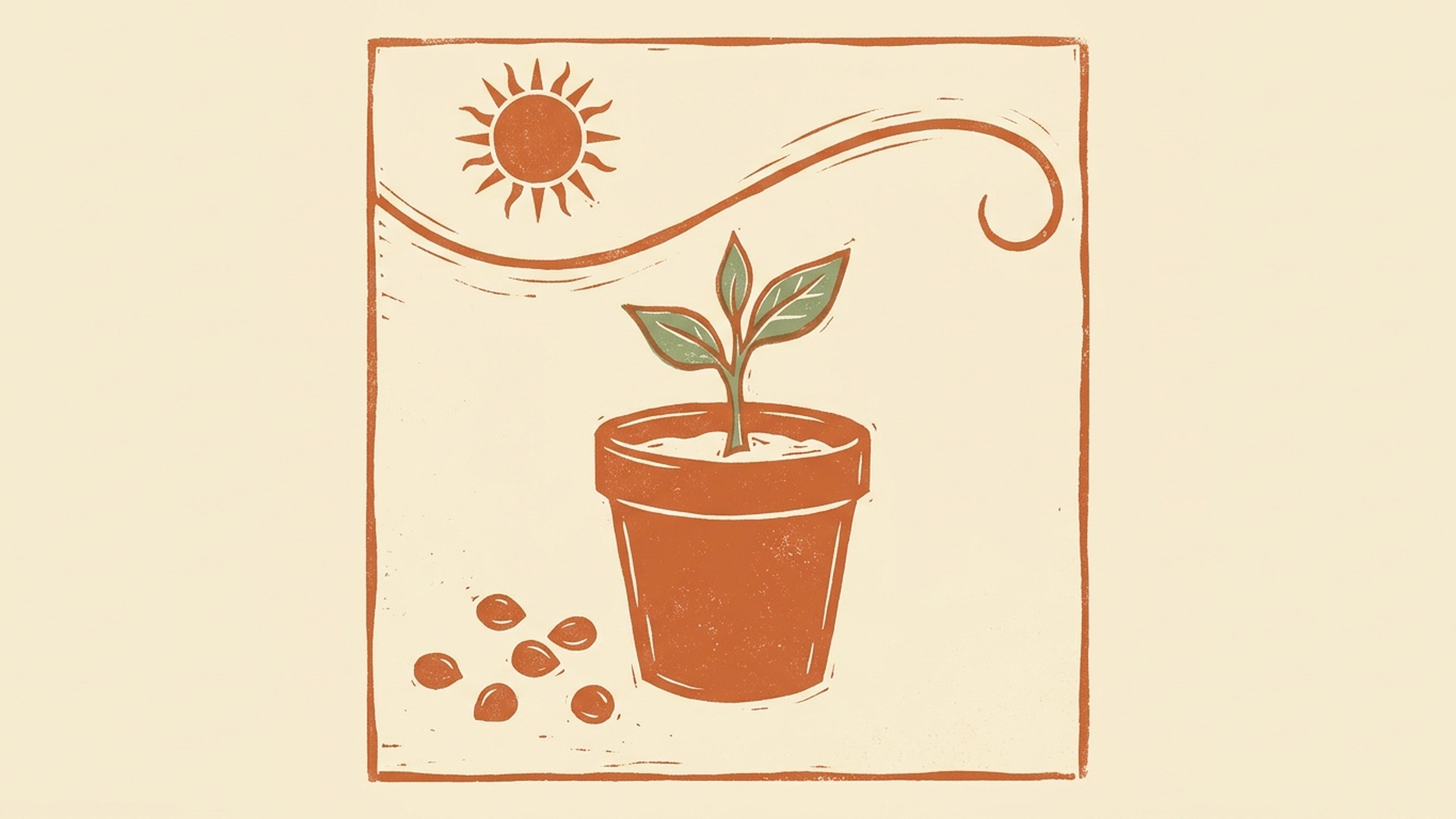
If you notice that you feel a little more tired every time you open a dating app, you are not alone. An endless stream of profiles, dozens of half-finished conversations, and the feeling that 'the next one might be better' put many people off dating altogether. Slow dating is a response to exactly this fatigue: meeting fewer people, more slowly, with more attention. This article looks at what slow dating is, why it works, and how to put it into practice in everyday life.
Compatibility is an achievement of love; it shouldn't be its precondition.
What Is Slow Dating?
Slow dating, as the name suggests, means deliberately slowing the process of getting to know someone. Instead of talking to many people at once, you give real attention to one or a few; you reply to a message in order to know the other person, not to move on to the next match. You limit the time spent in the app and treat dates not as a filtering exam but as ordinary moments in which two people discover each other. The term spread after 2016, and Hinge's 2019 'designed to be deleted' campaign popularized the same idea: the goal is not to swipe forever but to find someone you can stop swiping for.
Why Does App Fatigue Happen?
An abundance of options seems intuitively good, but research says the opposite. In a well-known 2000 study by psychologists Sheena Iyengar and Mark Lepper, a supermarket display offering 24 kinds of jam drew more interest, but the display offering only 6 kinds led to a far higher share of shoppers actually buying. Too many options keeps people from acting, and after a choice is made it inflates the regret of wondering 'was the other one better?' Barry Schwartz calls this 'maximizing': people who always search for the best possible option end up less satisfied with their decisions than those who pick something 'good enough' and move on. Dating apps work exactly like a maximizing machine; every swipe feeds the idea that 'a better one could be next.' Pew Research Center's work also shows that roughly half of online daters find the experience frustrating or disappointing at times.
'Slow Love': The Science Behind Going Slowly
The biological anthropologist Helen Fisher named this recent trend 'slow love.' According to her Singles in America research for Match and the updated edition of her book Anatomy of Love, many single people today do not jump straight into a relationship; they start as friends and get to know the other person over a long pre-commitment period before deciding. Fisher saw this not as a delay or as indecision but as a way of making better-grounded choices. Another advantage of slowness is the 'mere-exposure effect': as Robert Zajonc's 1968 study showed, seeing a person again and again in low-key settings naturally increases the closeness and ease you feel toward them. Instead of deciding in a single high-pressure date whether 'there is a spark or not,' getting to know someone across several ordinary meetings is often a fairer measure.
How to Practice Slow Dating
A few concrete steps make it easier. Before you start, tell yourself honestly what you want; a vague search gives vague results. Deliberately reduce the number of people you talk to at once, ideally to one or two. Limit the app to a set amount of time per day, for example twenty minutes in the evening, and turn off notifications the rest of the time. Do not stretch messaging out forever; after a few good conversations, suggest a short, low-pressure meeting, because the real test of compatibility is in person. On a date, pay attention to the question 'how do I feel next to this person?' rather than 'does this person match my checklist?' And a date does not have to produce a verdict; 'let's meet once more and see' is a perfectly valid outcome.
Who Does Slow Dating Suit, and Who Finds It Hard?
Intentional dating is a relief especially for people who feel app fatigue, who are worn out by one short meeting after another, or who moved too fast in the past and regretted it. For someone who leans toward anxious attachment it can help to the extent that it brings clarity, but if the word 'slow' gets confused with ambiguity it can raise anxiety; that is why it matters to talk about the slowness openly. For someone who enjoys browsing among plenty of options, or who only wants something light and casual for now, slow dating may feel like an unnecessary constraint. There is no 'right' pace here; what matters is that the pace you choose fits your values and your needs at the time.
Not Confusing Slowness With Indecision
The most common mistake in slow dating is turning slowness into an excuse for not making a decision. Continuing to 'get to know' someone for months while never saying what you want is not slowness; it is leaving the other person in limbo, and it is exhausting for them. Intentional dating means keeping the steps small but still taking steps: meeting at regular intervals, stating your intention clearly when the time comes, letting the other person feel that the relationship is moving in a direction. Another mistake is imposing slowness one-sidedly; if the two of you are on different tempos, talking about it works better than waiting in silence.
Frequently Asked Questions
Does slow dating mean delaying the first date? No. Most coaches advise the opposite: keep the messaging short, meet sooner. What is slowed down is not the date but the decisions about the relationship and the number of people you talk to at once.
How many people should I talk to at once? There is no single number, but the logic of slow dating is not 'as many as you can keep track of' but 'as many as you can genuinely make room for.' For most people that is one or two.
Does slow dating take more time? Usually less, overall. Investing in a few meaningful connections instead of dozens of shallow conversations is both less tiring and more likely to lead somewhere.
Slow dating is not a magic formula; it is simply the decision to reduce the number of people you split your attention across and give more to the connections that remain. Apps were designed to be fast, but dating does not have to be. When you choose your own pace, getting to know someone can stop being a filtering exam and become something worth being curious about again.
More in Everyday Life
All posts ☕ Everyday Life
How Relationships Across Time Zones Actually Work
One of you starts the day as the other says goodnight. What actually makes a timezone-split relationship hard, and how couples find their overlap window.
 ☕ Everyday Life
Meeting on Instagram Is Normal Now: What It Costs
A relationship that starts with a single DM isn't the exception anymore, it's the rule. But what does that cost us?
 ☕ Everyday Life
9 Unforgettable Anniversary Surprise Ideas
What makes an anniversary unforgettable is thought, not money. Nine surprise ideas that flex around any budget without skimping on meaning.
Try a Test
All testsPlayful tests to help you discover yourself and your relationship.
- Which Love Character Are You?Playful questions about how you act when you're in love reveal the love character that fits you best.
- Relationship Fit TestQuestions on communication, trust, and shared time measure how in sync your relationship really is.
- Love TestAnswer a few short questions about your everyday choices, find your love score, and share it with friends.